


A Comprehensive Visitor’s Guide to The Metropolitan Museum of Art
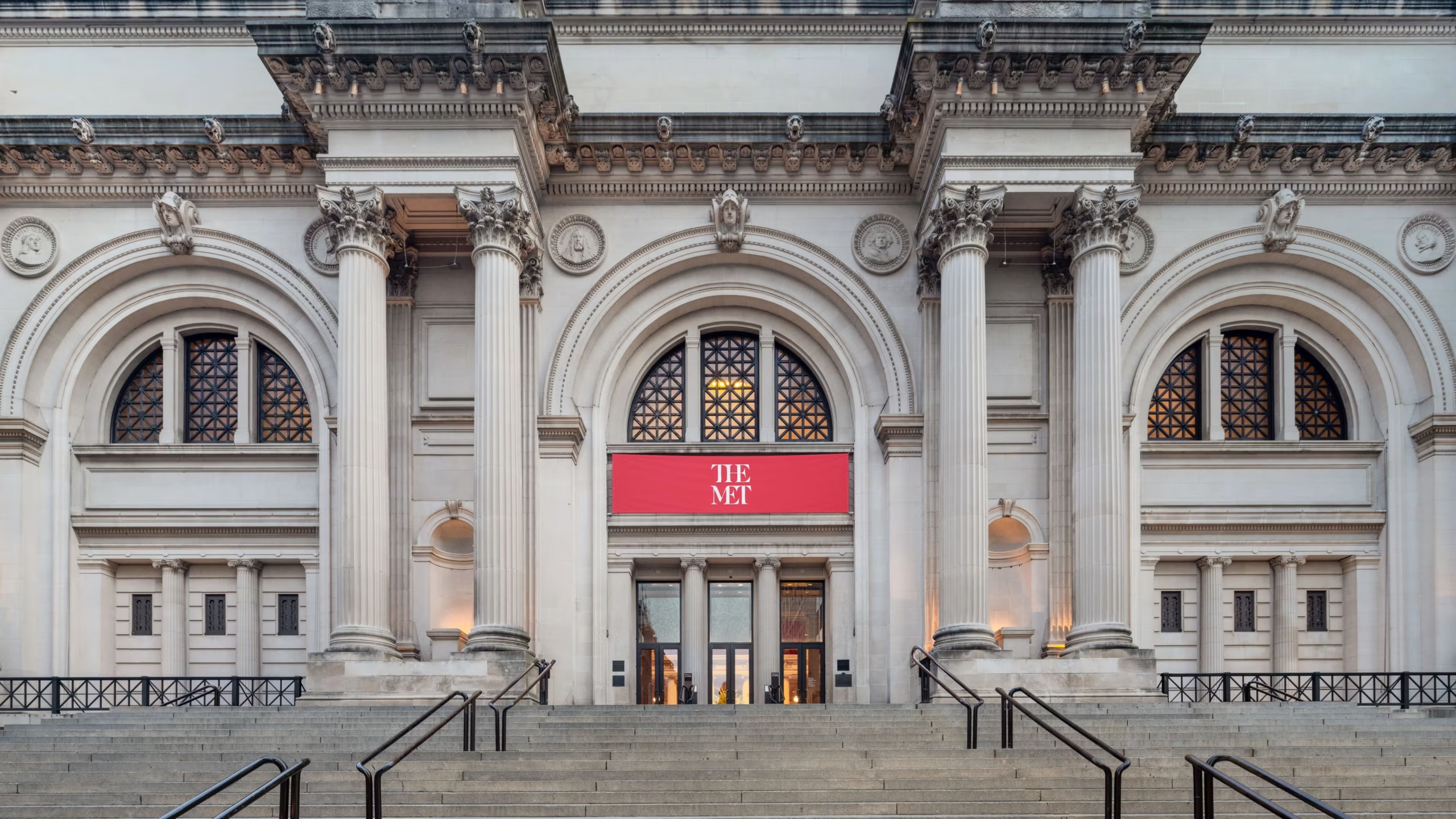
The Metropolitan Museum of Art (The Met), located on Fifth Avenue in New York City, is not just a museum—it is an encyclopedia of human civilization. Spanning over two million square feet, The Met is so vast that it houses entire buildings, sweeping courtyards, and over two million individual works of art within its walls. Walking through its galleries allows you to cross centuries and continents in a matter of footsteps.
Navigating this monumental institution requires advanced planning. Below is a curated guide to the museum’s most awe-inspiring collections, with a special focus on historical touchstones, architectural marvels, and exhibits that resonate deeply with both children and adults.
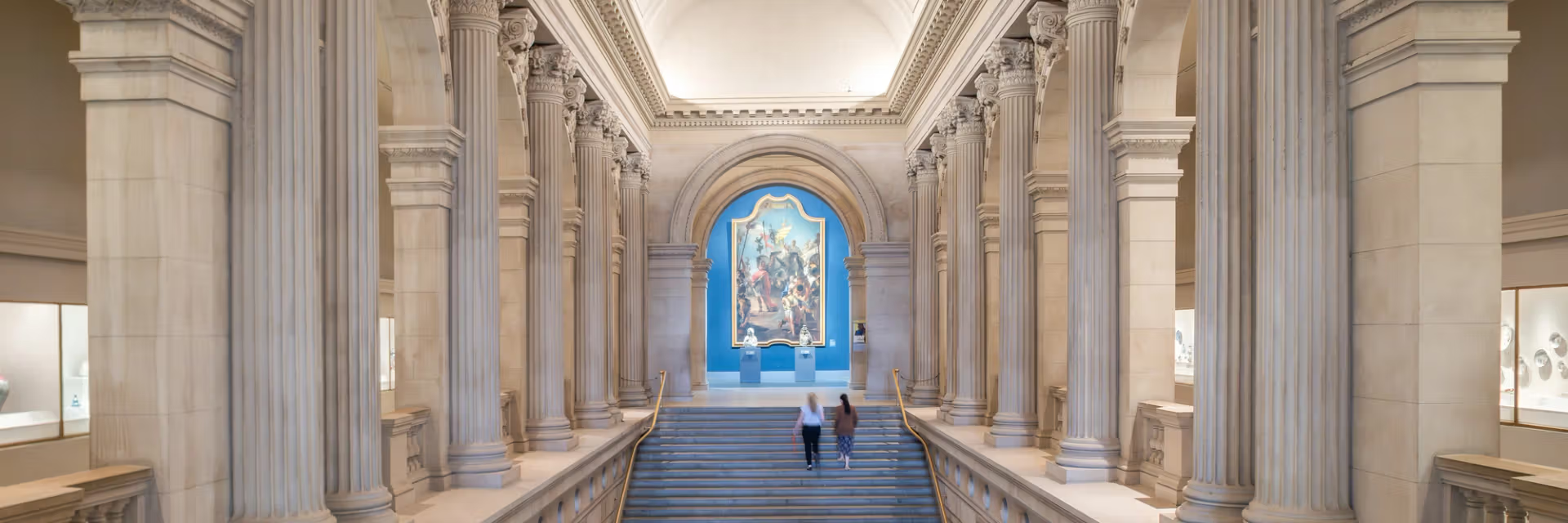
The Ancient World: Echoes of Jewish History
For families looking to connect their museum visit to historical and holiday narratives, The Met’s ancient wings bring the ancient Near East to life with staggering scale.
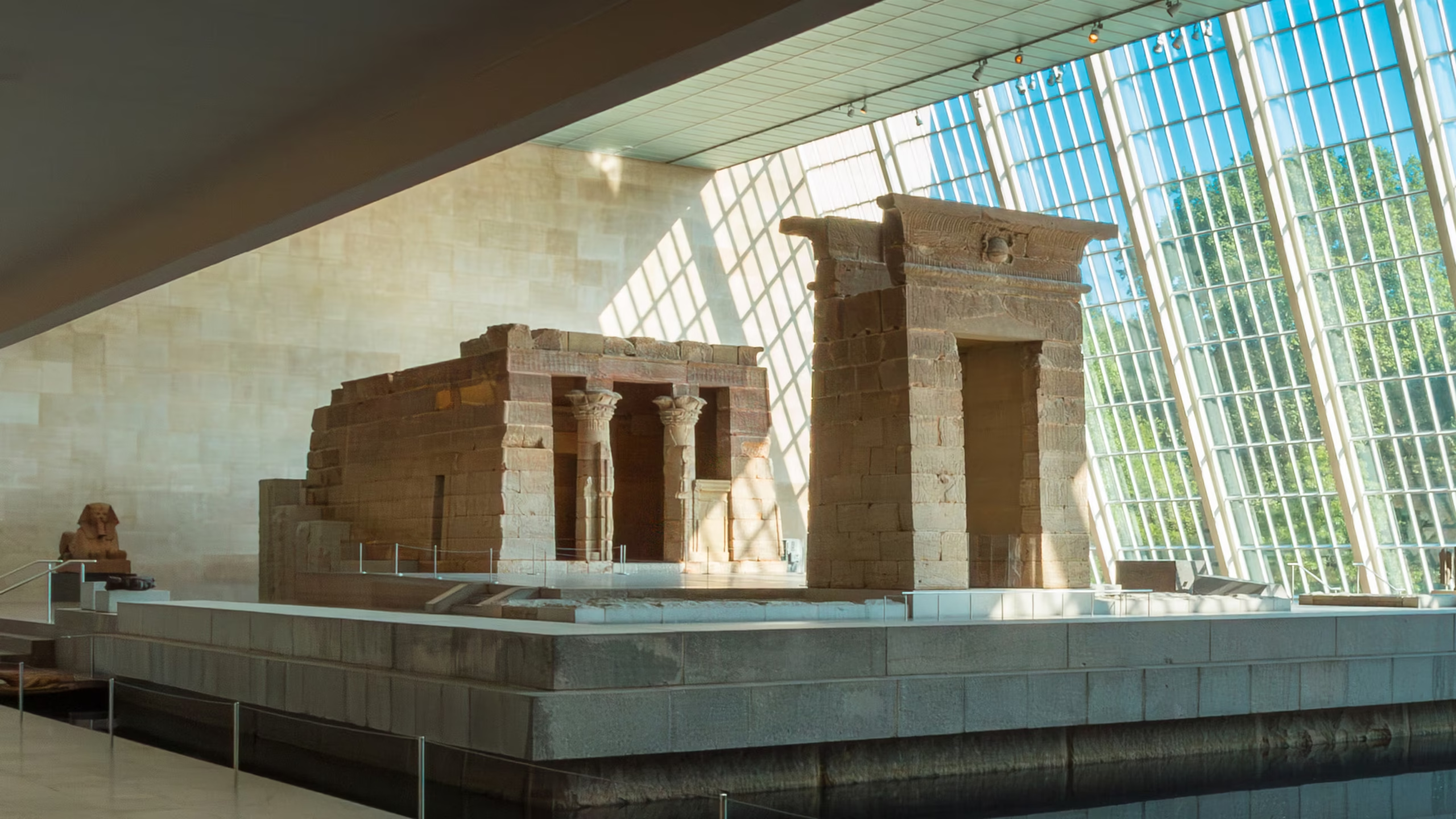
The Egyptian Art Wing (The Pesach Connection) This wing contains one of the most comprehensive collections of Egyptian art outside of Cairo. For families familiar with the Exodus narrative, walking through these 39 rooms offers a tangible look at the civilization of the Pharaohs. Visitors can view authentic sarcophagi, intricate jewelry, and massive sphinxes. The crown jewel is The Temple of Dendur, a complete, 2,000-year-old Egyptian temple relocated and reconstructed within a massive glass atrium overlooking Central Park.
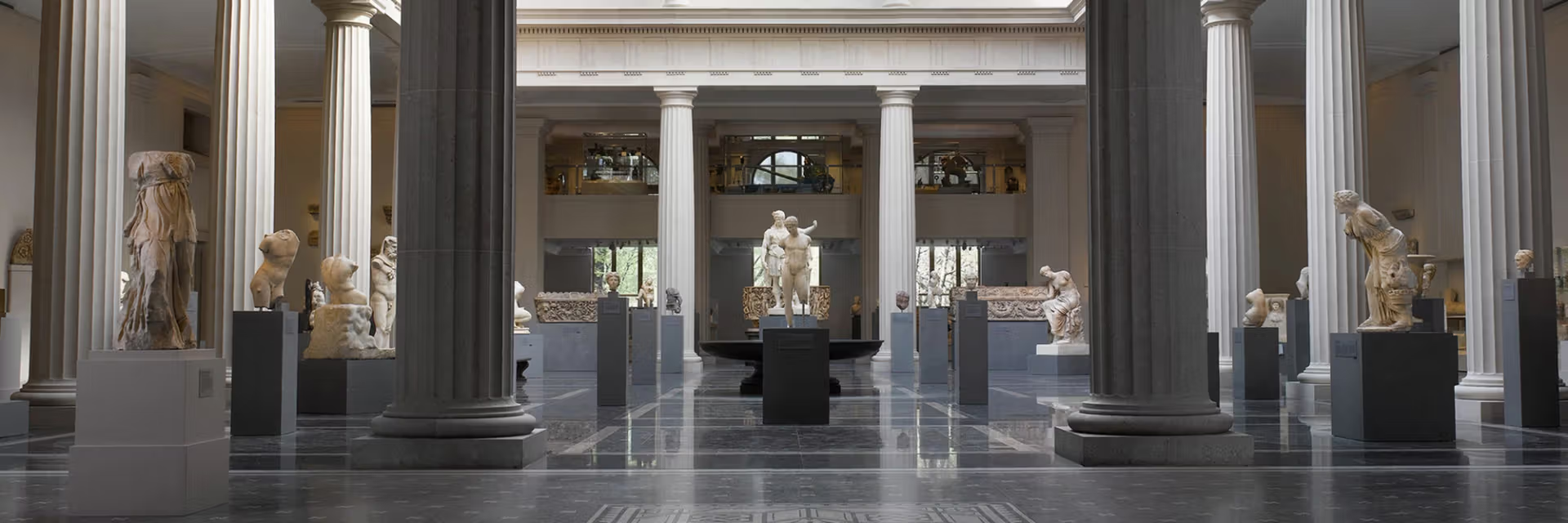
Greek and Roman Art (The Chanukah Connection) Located on the first floor, the grand sculpture courts of the Greek and Roman galleries feature towering marble columns and statues of emperors and athletes. For those who study the Chanukah story, these galleries provide an immersive look at the exact Hellenistic culture, aesthetics, and values that the Maccabees rebelled against during the reign of Antiochus IV.
European Splendor and Royal Courts
The Wrightsman Galleries (French Period Rooms) For those captivated by the elegance of European royalty, the Wrightsman Galleries are a must-see. Rather than simply hanging art on walls, The Met has meticulously reconstructed entire rooms from 18th-century French palaces and aristocratic mansions. Visitors can peer into the opulent, gilded salons of the Marie Antoinette era, complete with original Versailles-style parquet floors, crystal chandeliers, and meticulously carved boiserie (wood paneling). It is the closest one can get to walking through a European palace without leaving Manhattan.

The Arms and Armor Wing Consistently one of the museum’s most engaging exhibits for younger visitors, this gallery feels like stepping onto the set of a historical epic. It features an extensive collection of medieval European armor, Renaissance firearms, and samurai weaponry. The focal point is a striking central display of life-size armored knights mounted on carved wooden horses, arranged as if charging into a joust.

American Masterpieces
The American Wing This sprawling section provides a sweeping overview of American art and architectural history, anchored by the bright, enclosed Charles Engelhard Court. However, the true highlight is located in the painting galleries: Emanuel Leutze’s monumental Washington Crossing the Delaware. Measuring over 21 feet wide, the sheer scale and dramatic lighting of this iconic Revolutionary War masterpiece must be experienced in person to be fully appreciated.

Scattered throughout The Met’s vast departments are incredible artifacts of Jewish history, perfect for a targeted scavenger hunt.
- Portrait of a Man with a Hebrew Tablet: Located in the European Paintings galleries (Gallery 503), this captivating 16th-century portrait by Italian artist Antonio Campi features a man proudly displaying a stone tablet. The Hebrew inscription translates to “The Torah of Moses is the Truth,” serving as a powerful, multilayered expression of Jewish faith from the Renaissance era.
- The 19th-Century Model of the Temple: The museum houses a massive, intricately detailed Victorian-era architectural model of King Solomon’s Temple. While it is a 19th-century interpretation based on biblical texts rather than a strictly accurate archaeological replica, its exquisite craftsmanship and massive scale make it a fascinating piece of historical art.
Global Art & Interactive Exhibits
The Musical Instruments Collection Another major highlight for families is the Musical Instruments gallery, which displays roughly 5,000 instruments from six continents. The collection ranges from priceless Stradivarius violins and the oldest surviving piano in the world to ornate, centuries-old horns, lutes, and ceremonial drums from across Asia and Africa.


Practical Visitor Information
- Ticketing & The “Pay-What-You-Wish” Policy: New York State residents and Tri-State area students (with valid ID) are eligible to pay what they wish online and at the admissions desk.
- Entrances: While the main steps on Fifth Avenue provide the iconic entry point, museum members and those looking to avoid the busiest crowds can utilize the ground-level entrance located at 81st Street.
- Pacing Your Visit: With kids, aim for a focused 2-to-3 hour visit rather than attempting to see the entire museum. Pick three specific wings (e.g., Egypt, Arms and Armor, and the French Rooms) to keep the experience awe-inspiring rather than exhausting.
- Central Park Connection: The museum sits directly inside Central Park. You can exit the museum and immediately walk into the park—perfect for letting kids burn off energy before or after your visit.


